Cold-brew vs nitro cold-brew
Cold-brew is steeped at 4 °C for 14–18 hours and filtered. Nitro adds dissolved nitrogen at the fill stage, producing a creamy mouthfeel and visible cascade on pour. Nitro requires a widget can or a high-pressure dissolution line — small co-packers can rarely do it, narrowing the partner shortlist drastically.
Where aluminium hurts
Aluminium can substrate price moved 11–17% across 2025 on the back of LME volatility. At a 200ml slim format that swings landed cost ₹2.8–₹4.6 per can — meaningful at this margin tier.
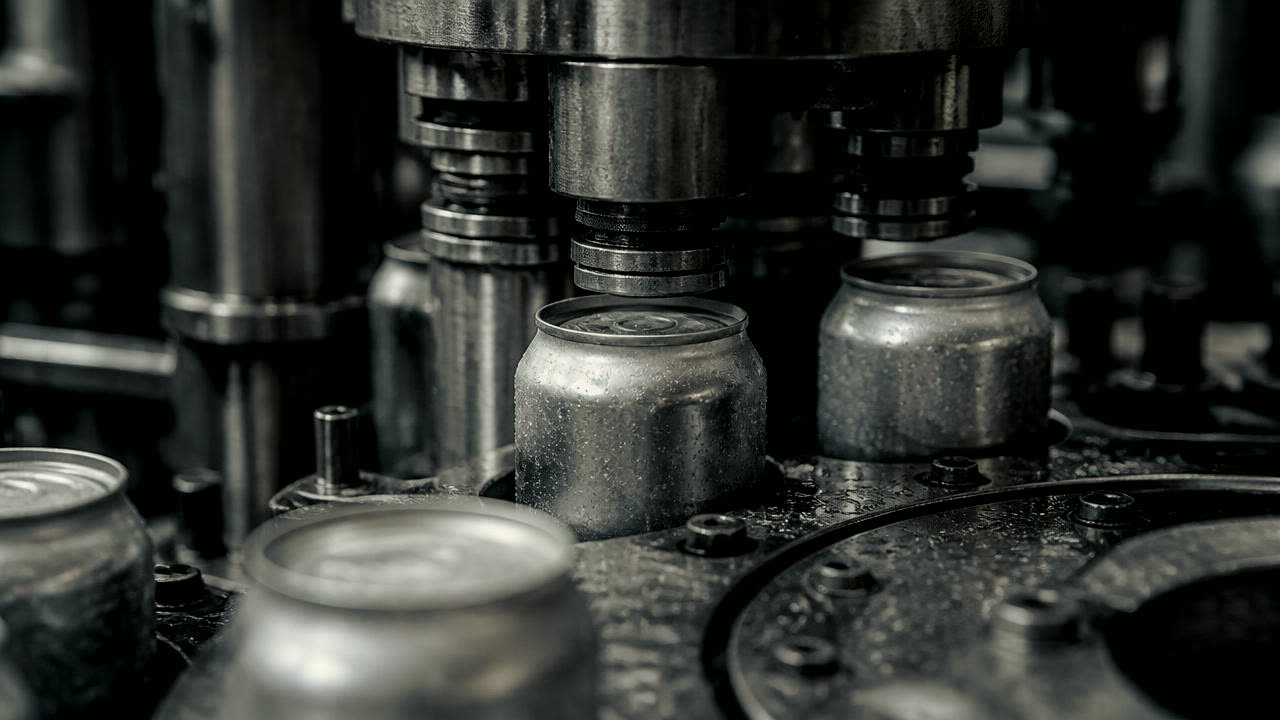
Domestic can fillers prefer 250ml standard cans; 200ml slim requires imported substrate or a specific Indian line. Plan a 4–6 week lead premium.
§ KEY TAKEAWAYS
- 01Pick nitro early — it forces a different co-packer shortlist
- 02Aluminium lane volatility is the largest landed-cost swing factor
- 03200ml slim format gates partner choice more than recipe does
- 04Caffeine declaration is mandatory on label — budget lab time
§ GLOSSARY
Technical jargon, acronyms and scientific terms used in this file — decoded.
- Nitro infusion
- Dissolving nitrogen gas into the drink; creates micro-bubbles for creamy mouthfeel without added dairy.
- Widget can
- A can with a small plastic insert that releases gas on opening to create cascade — the Guinness format.
- LME
- London Metal Exchange — the global price reference for aluminium, copper and other base metals.
- Slim can
- Tall, narrow can format (200ml/250ml) versus the standard short-fat 330ml; perceived as premium.
- Steeping ratio
- Coffee grounds to water by weight in cold brew; typically 1:8 for concentrate, 1:14 for ready-to-drink.