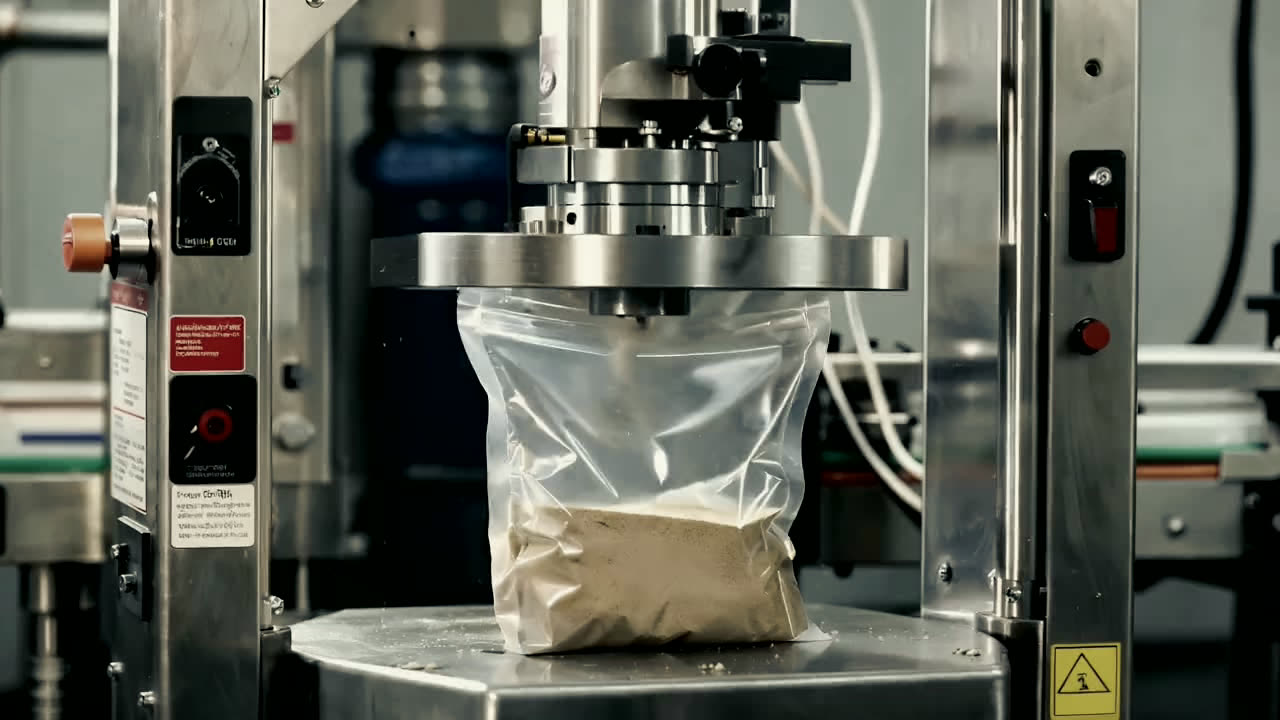
Mono-material trade-off
Multi-layer laminate (PET-AL-PE) is ₹2.40 cheaper per pouch but kills the recyclability claim. Mono-PE is the only pouch construction that survives a third-party recyclability audit in India today.
Brands recoup the ₹2.40 premium in earned media within the first quarter if the recyclability claim is front-of-pack. If buried, it isn't worth the spend.
Formulation lines
Active surfactant load drives most of the cost band. A 22% active formulation lands at ₹40; a 28% active at ₹46. Founders routinely under-spec active to win pricing, then lose subscriber retention in month 3 when consumers notice they need more product per wash.
Fragrance is the second-largest swing. Tier-3 fragrance houses run ₹0.40 – ₹0.80 per pouch; Tier-1 (IFF, Givaudan) run ₹1.20 – ₹2.40. Premium-tier dish-wash is now a fragrance-led category — under-spec at your peril.
- ›Active surfactant blend (22 – 28%): ₹14.20 – ₹22.40 per pouch
- ›Builders + chelants + enzymes: ₹3.80 – ₹5.40
- ›Fragrance + colourant: ₹0.40 – ₹2.40
- ›Mono-PE pouch + spout: ₹6.80 – ₹8.40
- ›Fill + cap + labelling: ₹2.20 – ₹3.10
- ›Inbound + outbound freight: ₹4.40 – ₹5.20
Retention model
Refill-first brands live or die on month-3 retention. At 22% active, our model shows 47% retention; at 28% active, 68%. The ₹6 cost difference per pouch funds itself many times over via LTV.
Subscription frequency matters too. Monthly refill cadence beats two-monthly on retention — consumers under-stock and forget when the cadence is too sparse.
BIS IS 4707 compliance
Dish-wash sits under BIS IS 4707 with enzyme content, biodegradability and surfactant compatibility specifications. Compliance testing is ₹38,000 – ₹62,000 per formulation, valid 24 months.
Don't print labels until BIS confirms — re-printing after a minor amendment notification has cost three brands in our network ₹4 – ₹8 L each.
Fill-line slot strategy
Mono-PE pouch fill-lines are still capacity-constrained in India. Eight verified partners; combined free capacity through Q3 is roughly 22 million pouches/month industry-wide.
Book quarterly, not monthly. Partners price quarterly bookings 6 – 9% better than month-to-month and prioritise quarterly customers when capacity tightens.
§ KEY TAKEAWAYS
- 01Mono-PE is the only recyclable claim that survives audit in India
- 0222% active is the floor — anything lower hurts retention
- 03Lock fill-line slot quarterly, not monthly
- 04Monthly refill cadence beats two-monthly on retention
- 05Don't print labels until BIS amendment notification is final
- 06Front-of-pack the recyclability claim or don't pay for mono-PE
§ GLOSSARY
Technical jargon, acronyms and scientific terms used in this file — decoded.
- Mono-material
- Packaging made of a single polymer family (e.g. all-PE pouch) so it can be recycled in existing mechanical streams.
- EPR
- Extended Producer Responsibility — Indian rule making brands financially liable for the post-consumer recycling of their plastic packaging.
- Surfactant strip
- The price curve of the cleansing actives (LABSA, SLES, AOS) over a defined period; the largest cost line in liquid dish-wash.
- Refill ratio
- Units sold as refills divided by units sold as primary bottles. A higher ratio means better margin and lower plastic footprint.
- Pouch spout
- The plastic dispensing fitment welded onto a refill pouch. Adds ₹2–3 per unit; mono-material spouts are still maturing.