Where the chain breaks
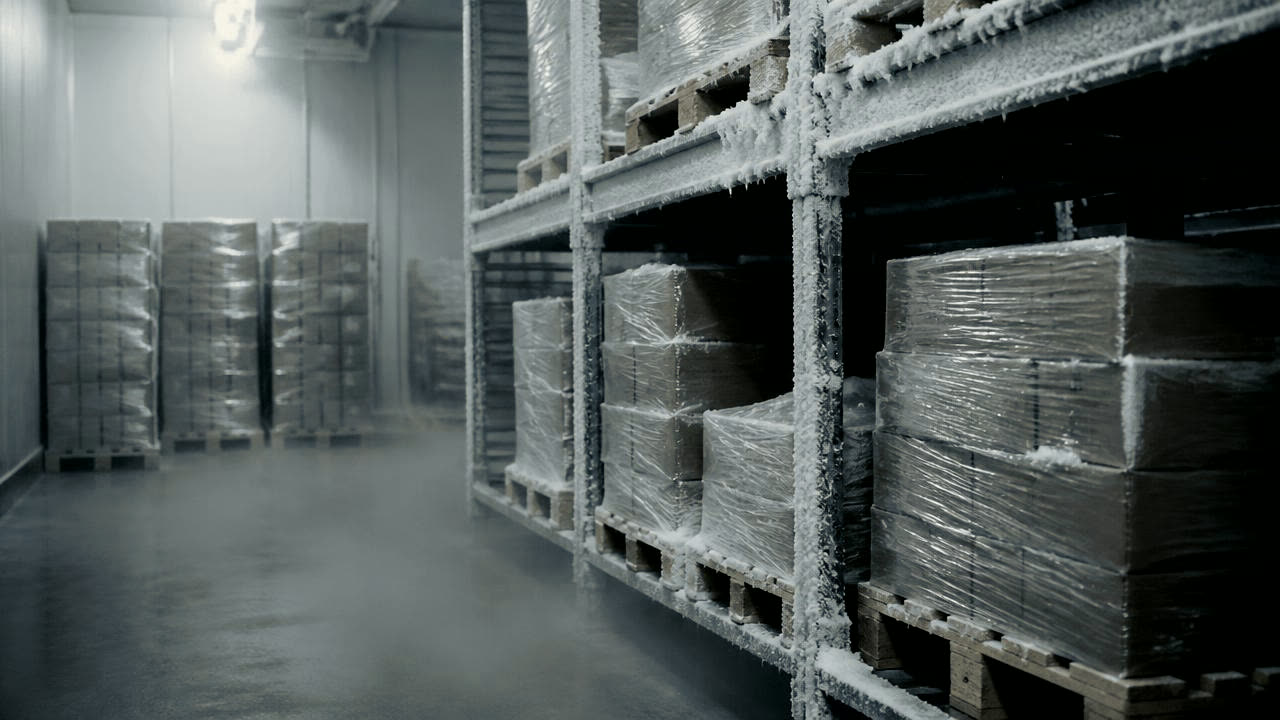
Three pinch points: brand-to-3PL handover, 3PL hub dwell, dark-store last-mile. We logged 47 break events across a 90-day pilot and only 8 were last-mile — the rest were hub dwell.
Hub dwell is invisible because no party is contractually accountable for it. Brands assume the 3PL maintains chain; the 3PL assumes the dark store collects on schedule.
Contract model that works
Pass cold-chain SLA to the co-packer with a temperature-logger pass-through. Brand pays for the logger (₹240 per pallet, single-use); co-packer takes break risk above ₹38k/pallet.
Logger data exports automatically at unboxing — no manual upload. The dark store sees the temperature history and refuses on-receipt if breached, triggering co-packer replacement at no cost to the brand.
Loss-event economics
A break event costs ₹38,000 per pallet in destroyed inventory plus ₹14,000 in destination-store credit notes plus ₹6,000 in reverse-logistics. Single-event cost: ~₹58,000.
Across 12 brands we observed in 2025, the average break events per quarter ran 3.4 — annualised loss ~₹7.9 lakh per brand. The logger system costs ₹2.8 L annually.
- ›Single-use temperature logger: ₹240 per pallet
- ›Annual logger cost (across 1,200 pallets): ~₹2.8 L
- ›Average break event cost: ~₹58,000
- ›Pre-logger annual loss (industry average): ₹7 – ₹9 L per brand
- ›Post-logger annual loss (verified): ₹1.4 – ₹2.2 L per brand
Lane-specific patterns
Bangalore-Bangalore (intra-city) is cleanest — 4 break events per 1,000 pallets observed. Bangalore-Mumbai cleanest inter-city at 11/1,000.
Bangalore-Delhi worst — 38/1,000, with most breaks in Hyderabad and Nagpur transit hubs. Brands shipping cold-pressed to Delhi should consider Bombay-only distribution until volume justifies a Delhi co-packer.
HPP partner selection
Only 8 HPP-capable co-packers operate in India. Of these, 5 maintain documented cold-chain SLAs end-to-end; 3 do not. Brands routinely select on HPP price and miss the cold-chain layer.
See DOS_03 for the full partner heat map. The top three partners are in Bangalore — book first.
§ KEY TAKEAWAYS
- 01Hub dwell is the silent killer, not last-mile
- 02Temperature loggers are now cheap — use them on every pallet
- 03Push break-risk to the co-packer contractually, not informally
- 04Bangalore-Delhi cold-chain is structurally broken — avoid in year 1
- 05Logger ROI: ~3 – 5x within first year
- 06Select HPP partners on cold-chain SLA, not HPP price
§ GLOSSARY
Technical jargon, acronyms and scientific terms used in this file — decoded.
- 0–4 °C window
- The chilled temperature band required to keep HPP juice and other fresh products safe through their stated shelf life.
- Reefer truck
- A refrigerated road vehicle. Reefers add ₹6–12 per km over ambient trucking and need diesel or electric stand-by power.
- Cold-chain break
- Any excursion above the safe temperature band; triggers shelf-life reset or full batch destruction depending on duration.
- Data logger
- A USB or Bluetooth temperature sensor packed inside a pallet to record the cold-chain trace from factory to point of sale.
- Last-mile dropper
- The final delivery agent (rider, dark-store picker) — the most common cold-chain failure point.