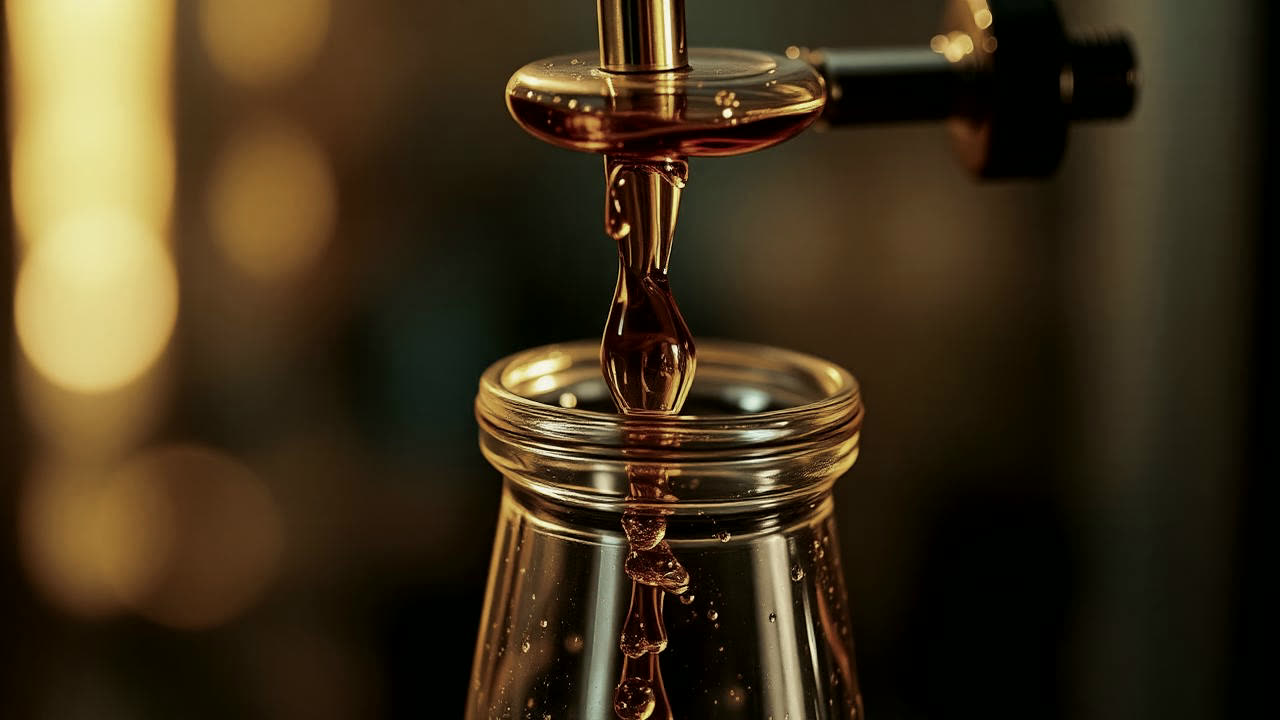
The live-culture cost stack
Kombucha is fermented twice: a base brew (7–10 days with SCOBY) then a flavour-and-carbonate stage (3–5 days under pressure). Cost is split roughly 40% raw tea + sugar + fruit, 30% glass + crown cap + label, 20% fill and pasteur-cold handling, 10% logistics.
Raw, unpasteurised kombucha keeps probiotic claims live but caps shelf life at 45 days chilled. Flash-pasteurisation lifts shelf life to 9 months ambient but kills the live-culture story — a strategic, not just commercial, call.
- ›Tea + organic sugar base: ₹6.8 – ₹9.2 per 330ml
- ›Flint glass bottle + crown cap + label: ₹14 – ₹19
- ›Second-ferment + fill + label: ₹6.2 – ₹8.4
- ›Cold-chain freight to dark store: ₹4.1 – ₹5.6
Carbonation as a quality marker
Indian consumers anchor 'real kombucha' to visible bubble release on opening. Brands that under-carbonate (below 3.5 g/L CO₂) read as flat tea and lose repeat. Brands that over-carbonate risk bottle bursts in transit — we modelled 0.3% breakage budget as standard.
Where founders bleed
Glass is heavy: 330ml flint runs 200g empty. Freight per bottle is 35–60% higher than PET equivalents. Brands targeting tier-2 cities should re-quote in PET or aluminium before scaling.
Brewing capacity is the real bottleneck: 1,000L tanks deliver ~3,000 bottles per cycle. Doubling demand means doubling tank count, not adding shifts.
§ KEY TAKEAWAYS
- 01Decide raw vs flash-pasteurised before you spec the bottle
- 02Budget 0.3% breakage and ₹4+/bottle cold-chain freight
- 03Capacity scales by tank count, not shift count
- 04Carbonation level is a brand-defining specification, not a parameter
§ GLOSSARY
Technical jargon, acronyms and scientific terms used in this file — decoded.
- SCOBY
- Symbiotic Culture Of Bacteria and Yeast — the gelatinous mat that drives kombucha fermentation.
- Flint glass
- Clear, colourless glass used to show off product colour and carbonation; sister terms are amber and emerald glass.
- Flash pasteurisation
- Brief heat treatment (72 °C for 15 seconds) that kills microbes; extends shelf life but ends live-culture claims.
- g/L CO₂
- Grams of dissolved carbon dioxide per litre — the carbonation level metric. Soft drinks sit at 4–5 g/L.
- Second ferment
- Sealed-vessel stage where added sugar drives more fermentation, building natural CO₂ in the bottle.