Why oat, almond and soy diverge
Soy is the cheapest base at scale: imported soy protein isolate runs ₹185–₹220/kg landed and delivers a 1.0% protein finished drink at ₹6–₹8 raw cost per litre. Oat needs enzymatic hydrolysis to release sweetness and that ferment line adds ₹4–6 per litre versus soy. Almond is paste-based — 2.5–3.5% almond solids — and the imported paste sits at ₹420–₹580/kg, the dominant cost line.
- ›Soy base, ₹68 landed: SPI + water + minerals + flavour
- ›Oat base, ₹84 landed: hydrolysed oat + sunflower oil + minerals
- ›Almond base, ₹104 landed: almond paste 3% + emulsifier + flavour
Tetra licence and minimum run
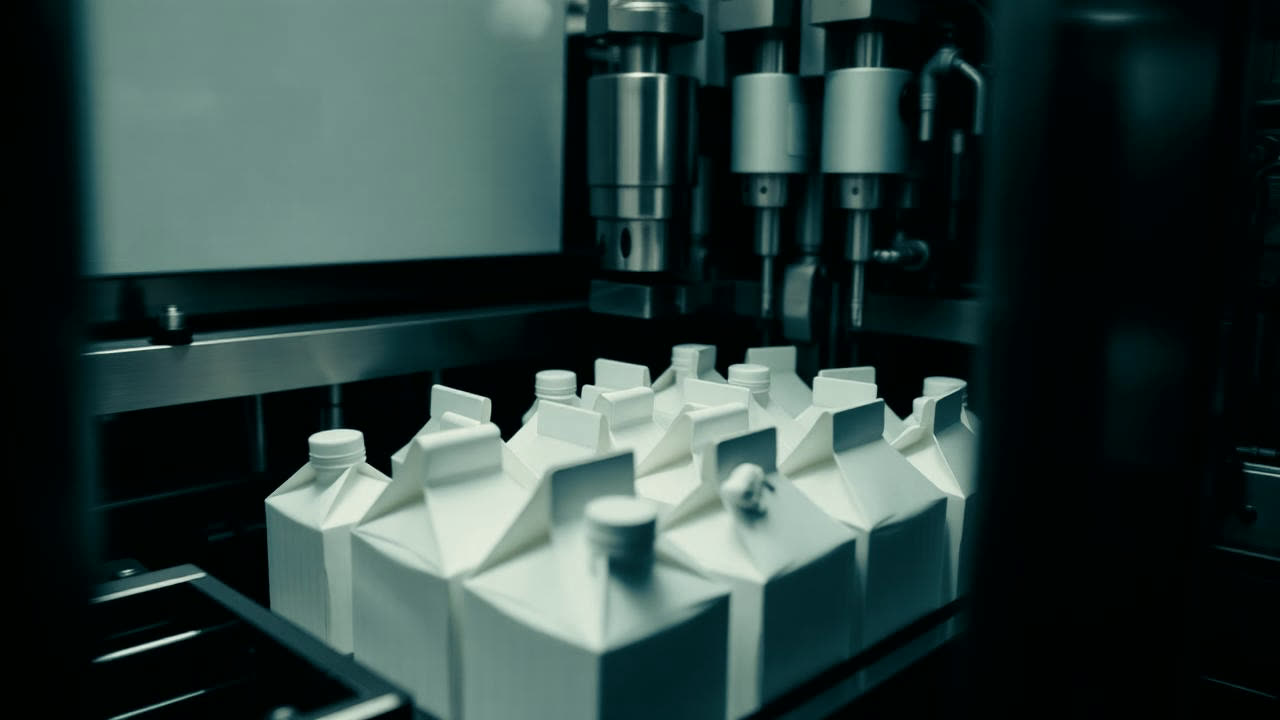
Tetra Brik Aseptic packs require a licensed co-packer with a Tetra-installed line. India has ~12 such co-packers and they typically demand 30,000 L (30,000 packs) per SKU minimum.
Tetra charges a per-pack royalty on top of the substrate. That royalty is what makes Tetra premium versus pouches — but it buys 9-month ambient shelf life and global format recognition.
§ KEY TAKEAWAYS
- 01Soy is the lowest landed cost — and the hardest sell on premium positioning
- 02Tetra co-pack MOQs gate the launch — plan SKU count around them
- 03Almond economics live or die on almond paste lane volatility
- 04Hydrolysed oat ferment line is the hidden cost in oat milk
§ GLOSSARY
Technical jargon, acronyms and scientific terms used in this file — decoded.
- UHT
- Ultra-High Temperature processing — 135 °C+ for 2–5 seconds, sterilising the drink and enabling 9-month ambient shelf life.
- Tetra Brik Aseptic
- Multi-layer paper-aluminium-polymer carton from Tetra Pak; only licensed co-packers can fill it.
- SPI
- Soy Protein Isolate — soy protein >90% by dry weight, used as the dairy-mimic base.
- Enzymatic hydrolysis
- Using enzymes (alpha-amylase) to break oat starch into sugars, giving natural sweetness without added sugar.
- Aseptic fill
- Filling a sterile product into a sterile pack inside a sterile zone — the prerequisite for shelf-stable liquid dairy alternatives.