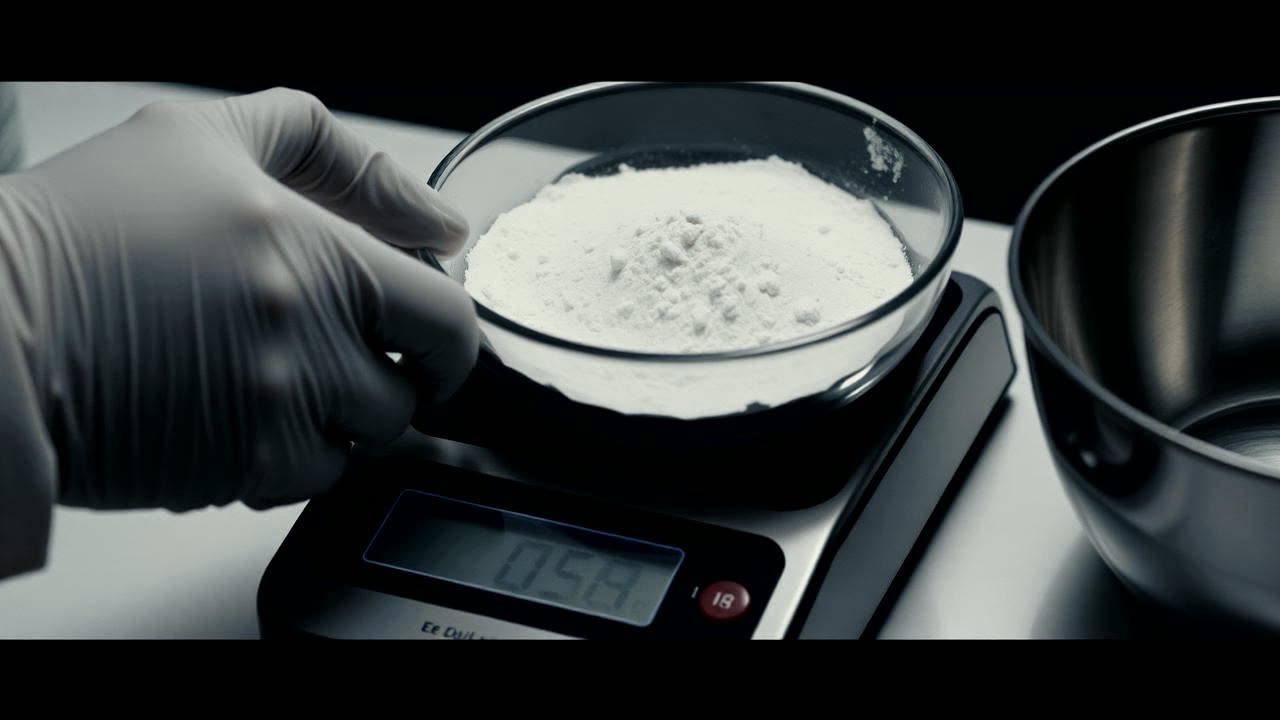
Raw-material lane
Pea protein isolate landed Mumbai is the swing factor: a 6% China-lane price move adds or removes ₹18 per jar at our blend ratio (60% pea, 25% rice, 15% complementary stack).
Rice protein is more stable but lower in lysine, which is why we model the blend — it hits a complete amino-acid profile while staying cost-defensible.
Heavy-metal and banned-substance testing is non-negotiable and adds ₹14 – ₹22 per jar if you test every batch. Brands that skip this lose nutra licences faster than they recover.
Protein-source provenance
The new 2026 FSSAI amendments tightened upstream provenance documentation. Brands must now document the supplier chain back to the original processor, not just the importer.
We added a ₹0.80 per jar cost line for documentation handling and a one-time ₹1.4L for the provenance system setup. Founders skip this and get caught at audit.
Pack architecture
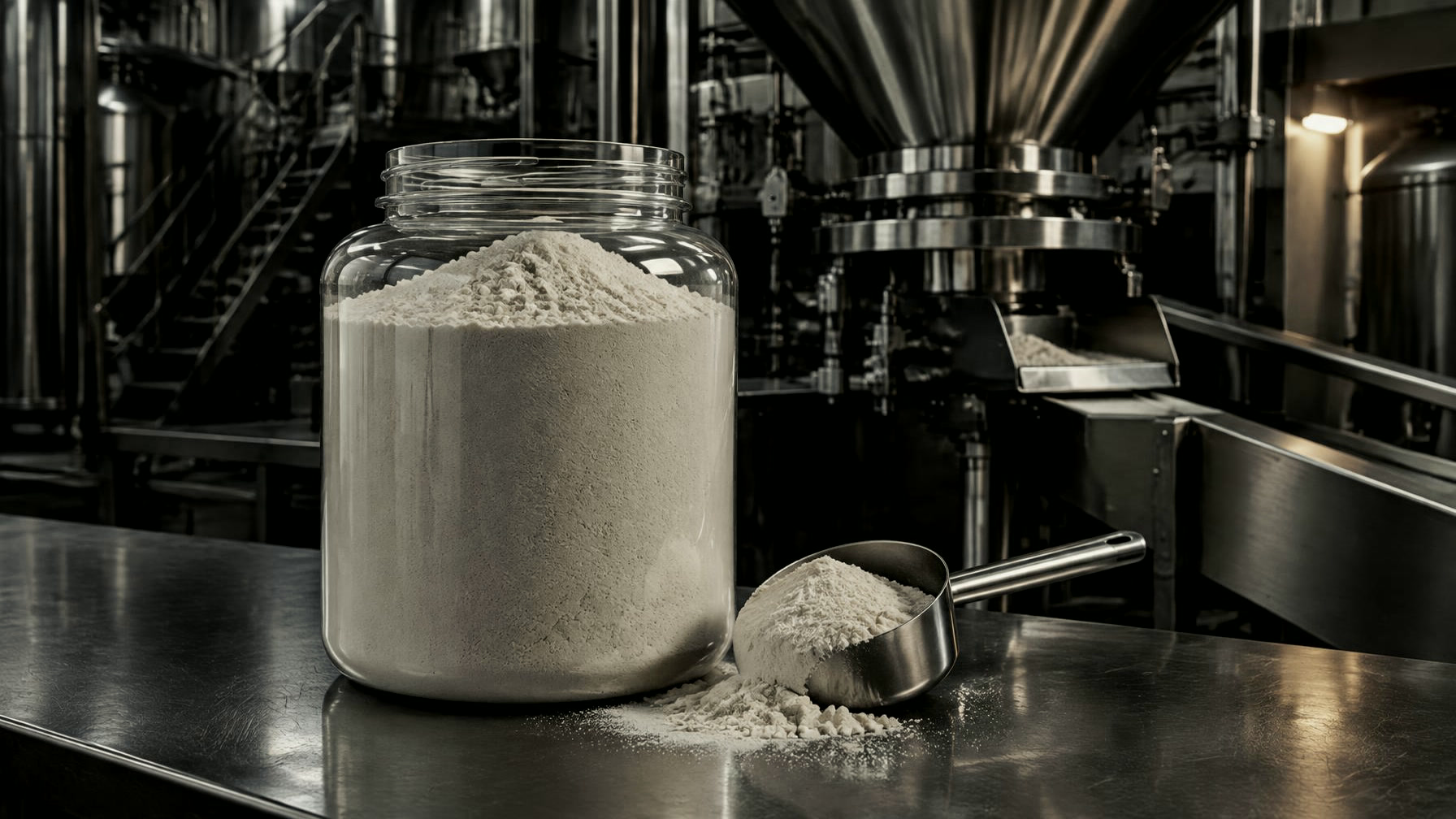
1kg PET jar with foam liner, foil seal, EPE shrink wrap. We modelled both standard 95mm and premium 110mm wide-mouth — wide-mouth adds ₹6.40 per jar but converts measurably better in shelf testing and accommodates a larger scoop comfortably.
Label substrate matters more than founders think. Matte-laminated PP with cold-foil accents is the current premium standard; gloss BOPP reads value-tier even at the same MRP.
- ›Protein blend (60/25/15): ₹312 – ₹358 per jar
- ›Flavour system + cocoa + sweetener: ₹38 – ₹52
- ›Jar + lid + foil liner + EPE seal: ₹46 – ₹58
- ›Label + scoop + literature insert: ₹12 – ₹18
- ›Fill, blend and test: ₹52 – ₹64
- ›Freight in (raw) + out (FG to FC): ₹38 – ₹46
- ›Provenance + COA documentation: ₹0.80 – ₹1.40 per jar amortised
Flavour and palatability
Plant-protein palatability is the hardest engineering problem in the category. Chocolate masks well; vanilla exposes pea-protein notes; unflavoured is a niche-only play.
Sweetener system drives a meaningful chunk of cost. Stevia-based runs ₹12 – ₹16 per jar; allulose-blended (premium tier) runs ₹28 – ₹38. Sucralose remains the cheapest but is increasingly avoided in premium positioning.
What changes at scale
At 8k jars, batch testing dominates per-unit cost. At 40k+ jars, blending efficiency dominates. Move to 500kg+ batch sizes and you compress fill cost by ₹6 – ₹9 per jar.
Founders should re-tender at 30k jars cumulative — typically the point where a Tier-1 partner will price-match a boutique just to lock the line.
§ KEY TAKEAWAYS
- 01Heavy-metal testing is an absolute brand-trust floor — never skip
- 02Wide-mouth jars convert better but tooling lead time is 14 weeks
- 03Lock pea-isolate forward contracts in Jan/Feb for festive-season cover
- 04Provenance documentation is now a real cost line, not a freebie
- 05Re-tender at 30k cumulative jars — Tier-1s will price-match
- 06Stevia for value tier, allulose for premium — sucralose is dated
§ GLOSSARY
Technical jargon, acronyms and scientific terms used in this file — decoded.
- WPC 80
- Whey Protein Concentrate 80% — a whey ingredient with 80% protein content by dry weight; the most common sports-nutrition base.
- BIB
- Bag-in-Bottle — a flexible inner pouch dosed into a rigid outer jar; cuts packaging weight and improves moisture barrier.
- Mesh size
- Particle-size grading for powders. Higher mesh = finer powder. Affects mouthfeel, mixability and dust losses during fill.
- Aflatoxin
- A naturally occurring fungal toxin found on grains, nuts and dairy. Strictly limited under FSSAI for protein powders.
- FSSAI
- Food Safety and Standards Authority of India — the food regulator that issues licences and sets compositional standards.