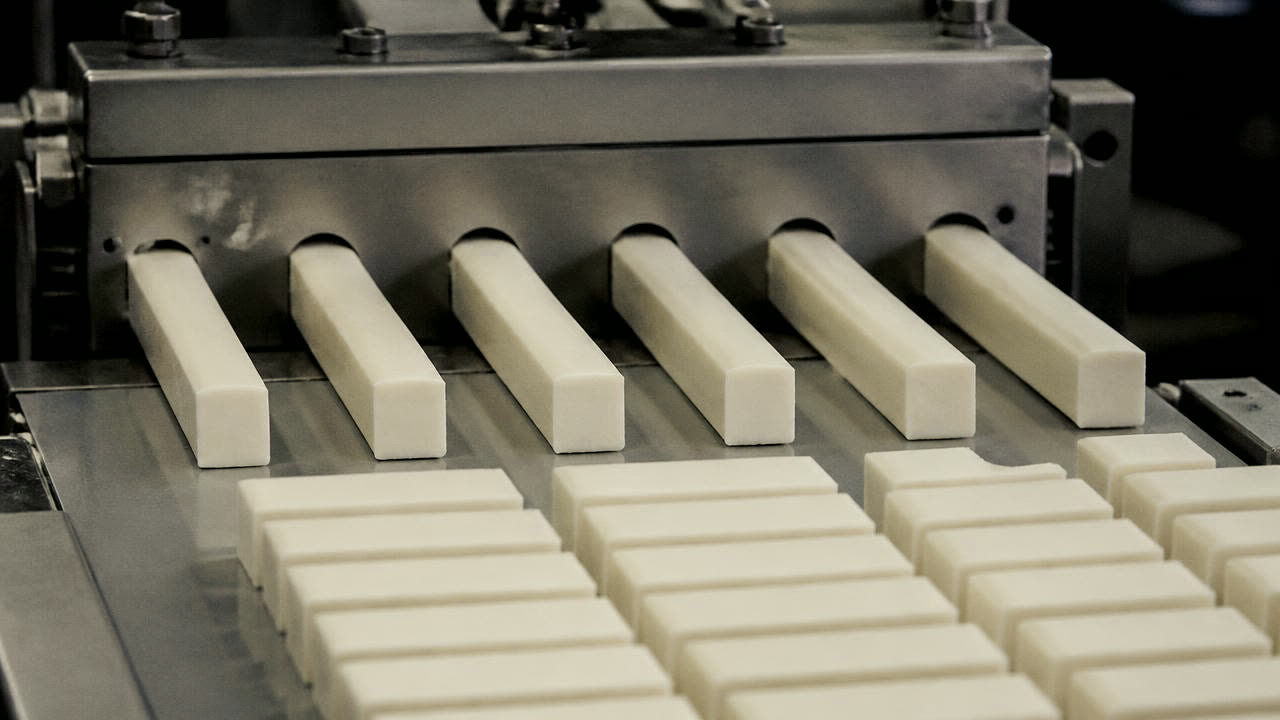
Cold-process saponification vs syndet press
Cold-process bars rely on soap chemistry — lower cost, longer cure (4–6 weeks), high pH (9–10) that can dry hair. Syndet (synthetic detergent) bars use SCI (sodium cocoyl isethionate) pressed at moderate heat — pH-balanced (5.5–6.5), lather closer to liquid shampoo, but 35–45% more expensive per bar.
- ›Cold-process: ₹52 landed, 6-week cure, high pH
- ›Syndet press: ₹78 landed, 2-day cure, pH-balanced
§ KEY TAKEAWAYS
- 01Syndet wins on consumer experience; cold-process wins on landed cost
- 02Plan 6-week cure into launch timeline if cold-process
- 03Compostable carton offsets the plastic-free claim cost
- 04Hardness rating drives bar longevity and repeat rate
§ GLOSSARY
Technical jargon, acronyms and scientific terms used in this file — decoded.
- Saponification
- Chemical reaction between oils and alkali (NaOH) that produces soap and glycerine.
- Syndet bar
- Synthetic-detergent bar pressed at lower pH than soap; gentler on hair and skin.
- SCI
- Sodium Cocoyl Isethionate — a mild, sulphate-free surfactant derived from coconut oil; the workhorse of syndet bars.
- pH-balanced
- Product pH close to skin/scalp natural range (4.5–6.5); avoids barrier disruption.
- Cure time
- Resting period after saponification during which water evaporates and pH normalises.