Sweetener system is the brand
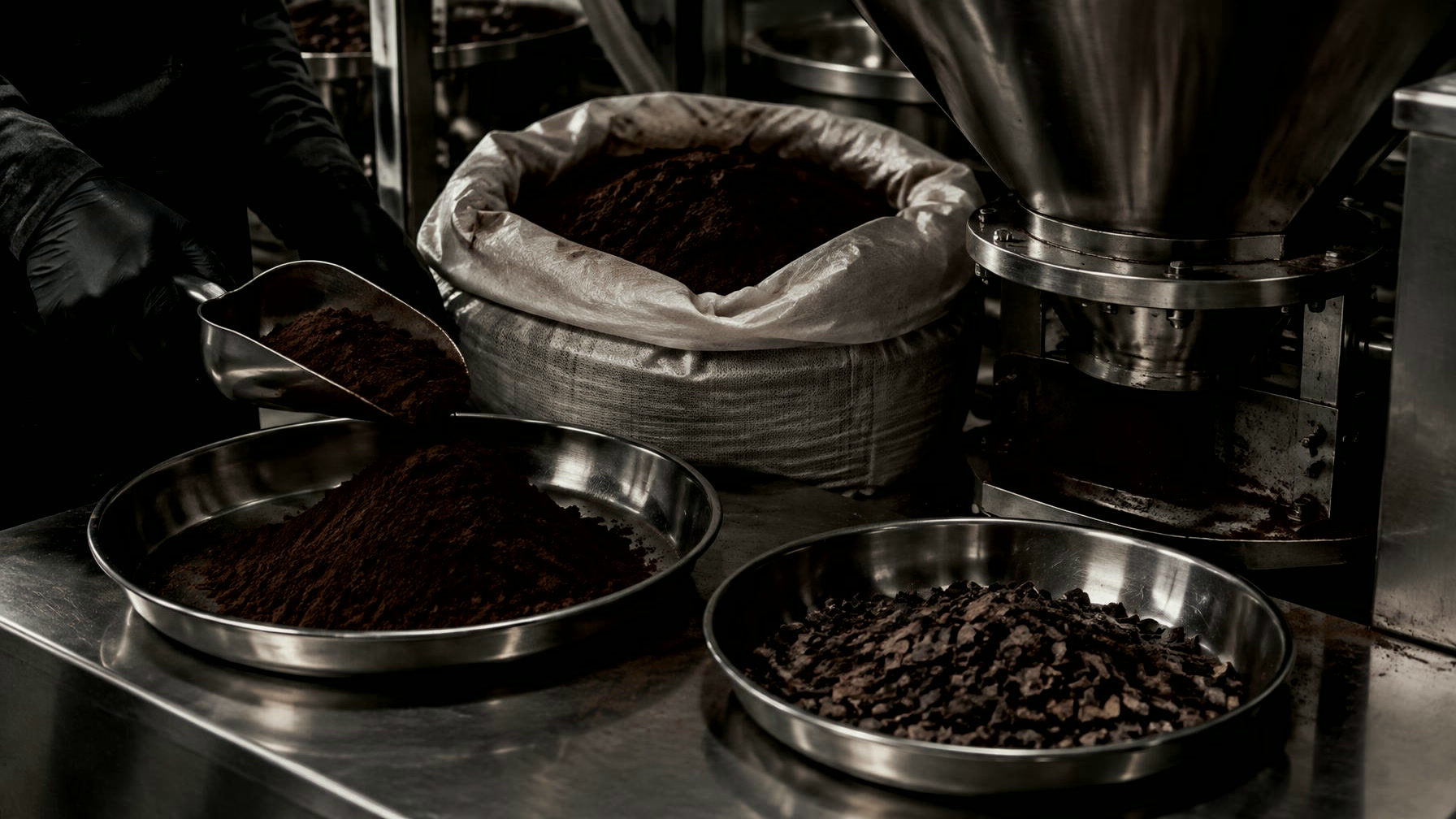
Stevia is cheapest (₹420–₹520/kg, used at 0.4% — pennies per bar) but the aftertaste compresses repeat. Erythritol mimics sugar 1:1 by volume but at 60% sweetness, so blends are common. Monk-fruit extract is premium (₹3,200–₹4,400/kg) but reads cleanest on label and panel tests.
- ›Stevia mono-system: ₹38 landed, lowest cost, lowest panel score
- ›Erythritol + stevia blend: ₹46 landed, best volume/cost
- ›Monk-fruit + erythritol: ₹58 landed, best mouthfeel and label story
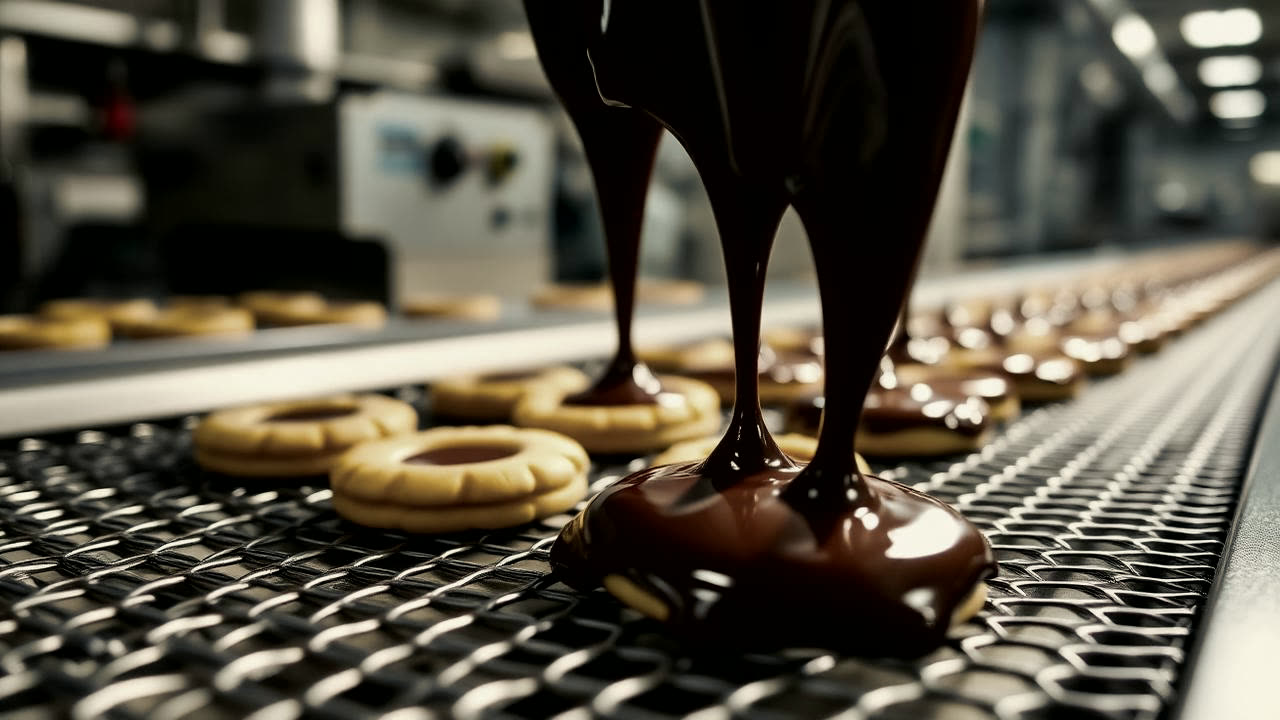
Tempering and tooling
70% cacao requires tempering between 28–31 °C for cocoa-butter crystal stability. Untempered bars bloom in 4–6 weeks — white surface streaks that read as expired product to consumers.
Custom bar moulds run ₹1.8–₹3.2 L per design; brands should pilot at stock-mould tooling for first 50k bars.
§ KEY TAKEAWAYS
- 01Pick sweetener system before bar shape — it drives 25% of landed cost
- 02Always temper; chocolate bloom is the single biggest QA recall trigger
- 03Stock-mould tooling for pilot, custom only after re-order
- 04Cacao butter content is the silent margin lever
§ GLOSSARY
Technical jargon, acronyms and scientific terms used in this file — decoded.
- Tempering
- Controlled heating and cooling of chocolate that aligns cocoa-butter crystals into the stable Form V structure.
- Bloom
- White fat or sugar streaks on chocolate surface — caused by improper tempering or storage above 18 °C.
- Erythritol
- A non-glycaemic polyol sweetener with ~60–70% the sweetness of sucrose and zero calories.
- Monk-fruit extract
- Sweetener from luo han guo fruit; mogroside V is the active sweet compound, 200–250× sweeter than sucrose.
- Glycaemic index
- Scale ranking how quickly a food raises blood glucose. Sugar-free chocolates target GI <10.