The MCT gap
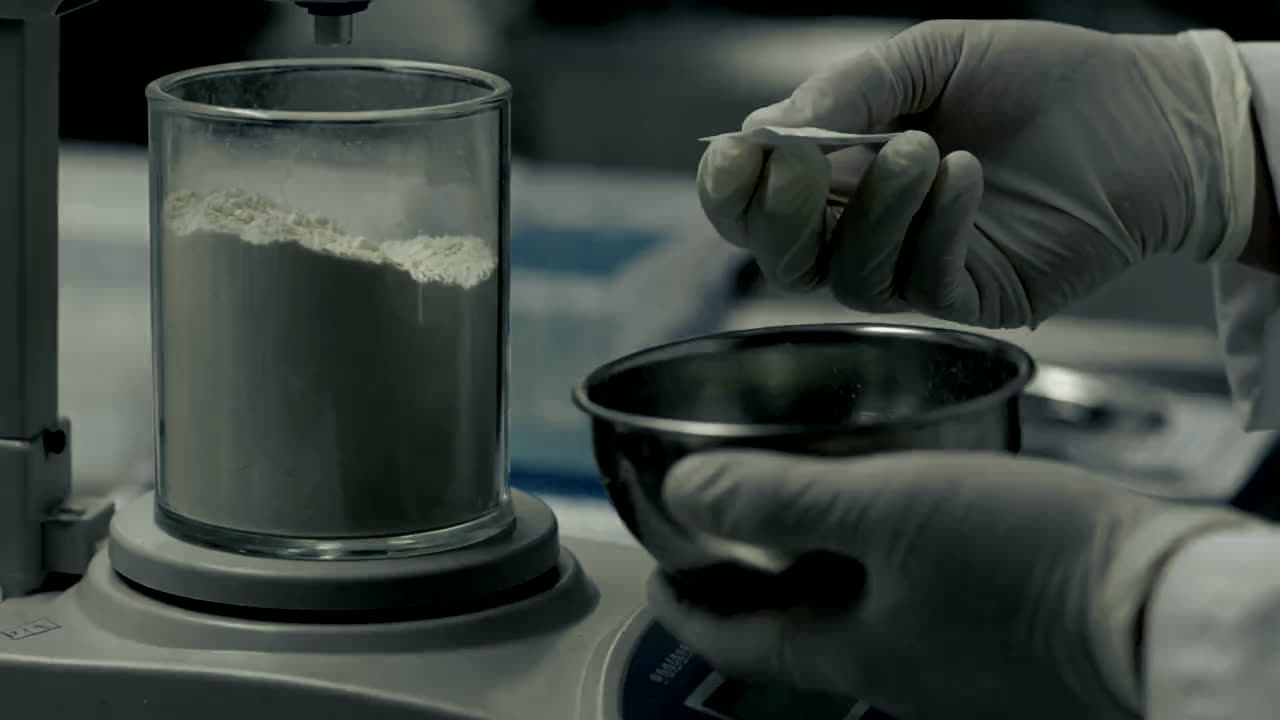
Only 27% of mapped personal-care CMs run microbial challenge testing in-house. Outsourced MCT adds 4 – 6 weeks to launch timelines and is the single biggest schedule slip we see in the category.
Brands prioritising launch speed should filter to in-house MCT partners — 13 of 48. The pool is small but high-quality.
Small-batch flexibility
Small-batch flexibility (≤ 3,000 units MOQ) maps closely to South India boutique CMs — Tamil Nadu and Karnataka concentrate the flexible-MOQ partners.
These partners typically charge a 12 – 18% per-unit premium over mass-market CMs but unlock pilot validation at sub-₹5L commitment.
Certification depth
GMP is table-stakes (85%). The differentiating filters now are Ecocert/COSMOS (19%) for clean-beauty positioning and CDSCO Schedule M readiness (28%) for export.
Halal certification at 31%, useful for Middle East and Southeast Asia export.
- ›GMP: 41 / 48 (85%)
- ›Ecocert / COSMOS: 9 / 48 (19%)
- ›Halal: 15 / 48 (31%)
- ›CDSCO Schedule M: 13 / 48 (28%)
- ›In-house stability chamber: 32 / 48 (67%)
- ›In-house MCT: 13 / 48 (27%)
Process R&D capability
Process R&D (the ability to scale a lab formula to production reliably) is the most under-rated capability. 37% of mapped partners have meaningful in-house process R&D.
Brands moving from boutique to scale partner often hit reformulation cost shock — the new partner's process can't replicate the boutique formula exactly. Process R&D depth is the predictor.
Format specialisation
Emulsions (lotions, creams): 44 partners (92%), combined weekly capacity ~22M units
Surfactant-based (shampoo, body-wash): 38 partners (79%), combined weekly ~28M units
Anhydrous (sticks, balms, oils): 24 partners (50%), combined weekly ~6M units
Aerosol (sprays): 9 partners (19%), combined weekly ~3M units
Wipes: 12 partners (25%), combined weekly ~14M wipes
§ KEY TAKEAWAYS
- 01Prioritise partners with in-house MCT for faster launches
- 02Small-batch flexibility maps to South India boutique CMs
- 03GMP is now table-stakes — score on the next layer down
- 04Process R&D depth predicts boutique-to-scale transition success
- 05Aerosol capacity is the scarcest format in personal care
- 0613 in-house MCT partners — small pool, high quality
§ GLOSSARY
Technical jargon, acronyms and scientific terms used in this file — decoded.
- GMP
- Good Manufacturing Practice — internationally recognised quality system covering hygiene, documentation and traceability.
- MCT scoring
- Manufacturer Capability & Tier scoring — BrandForge's internal grading of partner maturity across QA, OTIF and trace.
- OTIF
- On-Time-In-Full delivery — share of orders delivered complete on the promised date. >92% is competitive.
- Cleanroom class
- ISO 14644 cleanliness grade for production rooms; ISO 8 is typical for cosmetics, ISO 7 for sterile fills.