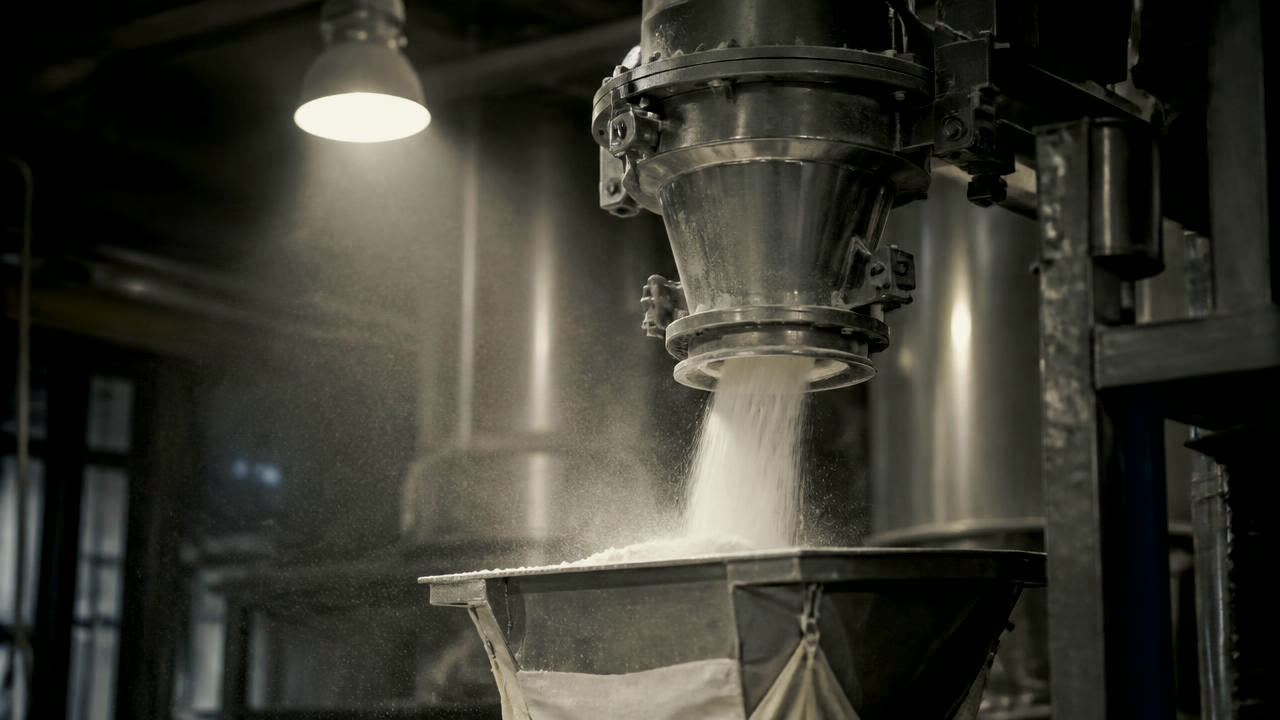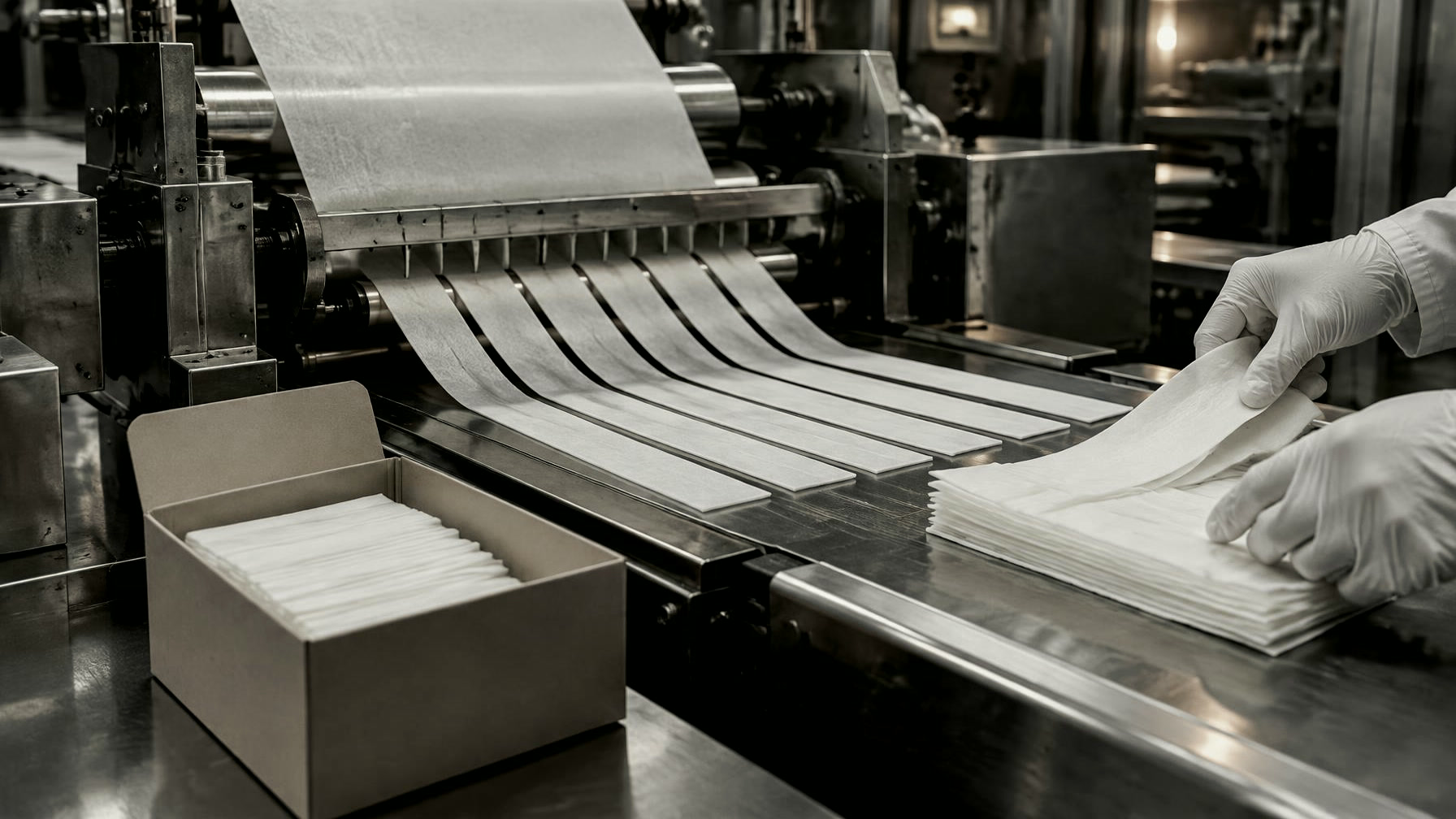
PVA film is the format
Polyvinyl alcohol film dissolves in water above 20 °C. Surfactant blend is coated into the film at 1.5–2.2 g/strip — equivalent to a 35–45g cap of liquid detergent. Per-wash cost is comparable; freight and EPR drop dramatically.
PVA water-solubility is settled science but biodegradation in marine and soil environments remains debated. Communicate carefully — claims must be substantiated.
§ KEY TAKEAWAYS
- 01Freight per wash drops 70%+ vs liquid detergent jugs
- 02EPR plastic liability drops to near-zero vs PE bottles
- 03PVA biodegradation claims need substantiation — communicate carefully
- 04Cold-wash performance is the key consumer concern
§ GLOSSARY
Technical jargon, acronyms and scientific terms used in this file — decoded.
- PVA film
- Polyvinyl alcohol film — water-soluble polymer used to encapsulate detergent doses in strips and pods.
- EPR
- Extended Producer Responsibility — Indian rule making brands liable for post-consumer recycling of their packaging plastic.
- Anionic surfactant
- Negatively-charged cleansing actives (e.g. LABSA); the workhorse of laundry detergent chemistry.
- Builder
- Detergent additive (zeolite, citrate) that softens hard water and boosts surfactant performance.
- Enzyme
- Biological catalyst (protease, lipase) that breaks down specific stains at low wash temperatures.