Manufacturing guide · Beverages
RTD coffee and cold brew contract manufacturing in India
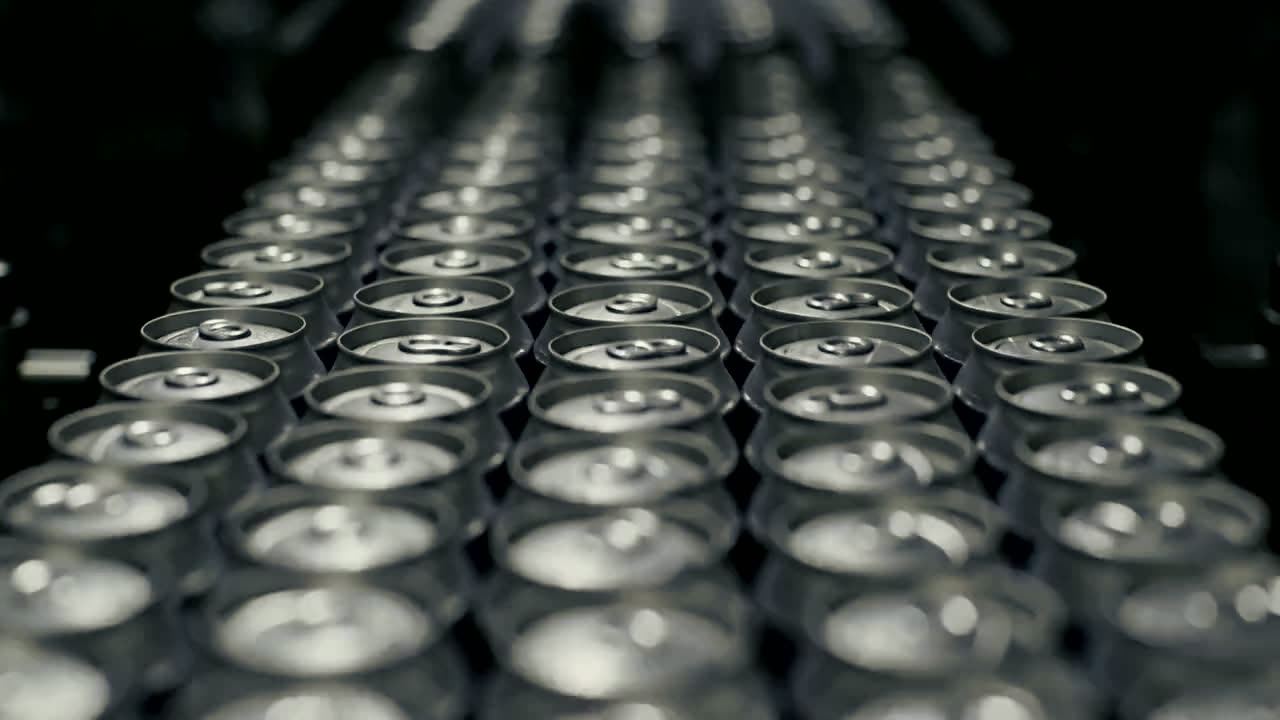
A ready-to-drink coffee or cold brew run typically needs 25,000–1 lac units per SKU, costing ₹24–42 ex-factory in a 250 ml can or ₹20–35 in a 250 ml PET bottle, with dairy or oat-milk versions sitting toward the higher end. Lead time is 6–10 weeks from an approved coffee extraction profile and milk base to first batch, and the plant needs an FSSAI licence with appropriate category coverage and a validated preservation process for the chosen format.
Key facts
| Typical MOQ | 25,000–1 lac units per SKU (cans or PET) |
|---|---|
| Typical pack sizes | 200 ml and 250 ml cans; 250 ml and 350 ml PET bottles |
| Indicative cost per unit | ₹24–42 per 250 ml can; ₹20–35 per 250 ml PET bottle |
| What the cost covers | Includes coffee extract/concentrate, milk base where used, sweetener, primary pack and filling; excludes GST, freight, cartons beyond shipper, brand margin |
| Lead time, brief to first batch | 6–10 weeks from approved extraction and base formulation to first batch |
| Key licences and certifications | FSSAI licence; dairy-based variants must be produced under an FSSAI licence that covers dairy-based beverages, with validated thermal processing; Legal Metrology labelling for pre-packaged goods |
| Typical shelf life | 6–9 months ambient for a validated commercially sterile product; refrigerated cold brew typically 2–6 weeks, subject to shelf-life testing |
| Common formats | Aluminium cans, PET bottles; glass bottles for premium cold brew lines |
How it is made
Coffee extraction or cold brewing
Coffee is extracted hot for RTD coffee or steeped cold for 12–18 hours for cold brew, each giving a different acidity and caffeine profile.
Base formulation
Extract is blended with milk, oat base or water, along with sweetener, and standardised to a target Brix and pH.
Homogenisation (for dairy base)
Dairy or plant-milk versions are homogenised to prevent fat separation and creaming during shelf life.
Thermal processing
UHT or retort sterilisation is applied depending on pack format, since dairy-based RTD coffee needs commercial sterility for ambient shelf life.
Aseptic or hot filling
Use a validated retort process for suitable sealed cans or an aseptic process for suitable PET packs. Ordinary hot filling alone is not sufficient for ambient low-acid coffee or dairy beverages.
What drives the cost
depends
Dairy vs plant-milk vs black base
Dairy, plant-milk and black coffee all need a process validated for their pH and pack. Ambient low-acid versions require commercial sterility; chilled versions require validated refrigeration.
raises cost
Cold-brew steeping time
Longer cold-steep cycles tie up tank capacity longer per batch, raising the effective conversion cost per litre.
raises cost
Coffee origin and roast grade
Specialty-grade or single-origin coffee costs more per kg than commercial blend coffee used for mass RTD formats.
raises cost
Aseptic filling vs hot fill
Aseptic lines cost more to run per batch but allow ambient shelf life without retort cooking the flavour.
lowers cost
Batch size per flavour
Larger single-flavour runs reduce the share of extraction and line cleaning cost loaded onto each unit.
Common mistakes first-time brands make
Underestimating dairy stability testing
Milk-protein based RTD coffee can show sedimentation or fat separation months into shelf life if the homogenisation step is not properly validated upfront.
Confusing cold brew with cold-filled coffee
True cold brew needs a long steep cycle, not just chilling a hot-extracted coffee; briefs should state the extraction method explicitly.
Not locking sweetness level before scale-up
Coffee bitterness reads differently at pilot versus plant scale; a small taste panel on the actual batch size avoids a mismatch at full MOQ.
Choosing a manufacturer for rtd coffee and cold brew
Extraction and dairy processing capability
Confirm whether the plant runs its own extraction or sources concentrate, and whether UHT/retort lines are validated for dairy.
Certifications
FSSAI licence plus licence coverage for dairy-based beverages where relevant, and FSSC 22000 as a marker of documented thermal-process control.
Capacity for cold-brew steeping
Ask about dedicated steeping tank capacity, since cold brew ties up tanks far longer than hot extraction and can bottleneck a shared line.
Sampling for shelf stability
Request an accelerated stability sample covering at least 3 months before committing to the full production MOQ.
Frequently asked questions
- Can I launch with a plant-milk base instead of dairy?
- Yes, but plant-milk beverages still need validated thermal processing or refrigeration, as well as emulsification and separation testing; they are not automatically shelf-stable.
- Does cold brew need refrigeration after packaging?
- Not necessarily; properly sterilised and aseptically filled cold brew can be shelf-stable at ambient temperature, but unpasteurised small-batch cold brew usually needs cold chain.
- Why is the PET bottle option cheaper than the can?
- PET bottling lines generally have lower per-unit conversion cost than can seaming and carbonation-grade filling, even without carbonation involved.
- How much caffeine variation is normal batch to batch?
- Natural variation in coffee bean lots can shift caffeine content by a small margin; if the label states a specific figure, periodic assay is recommended.
- Can I test two roast profiles before choosing one?
- Yes, most manufacturers can run small lab-scale extraction trials with two or three roast or blend options before committing to the production formulation.
How BrandForge helps
BrandForge matches your RTD coffee or cold brew brief to manufacturers with proven extraction and dairy-processing lines for your exact base, whether that's dairy, oat or black. Matching stays blind until approval on both sides, and your success manager tracks the stability sample through to the first production batch.