The brief
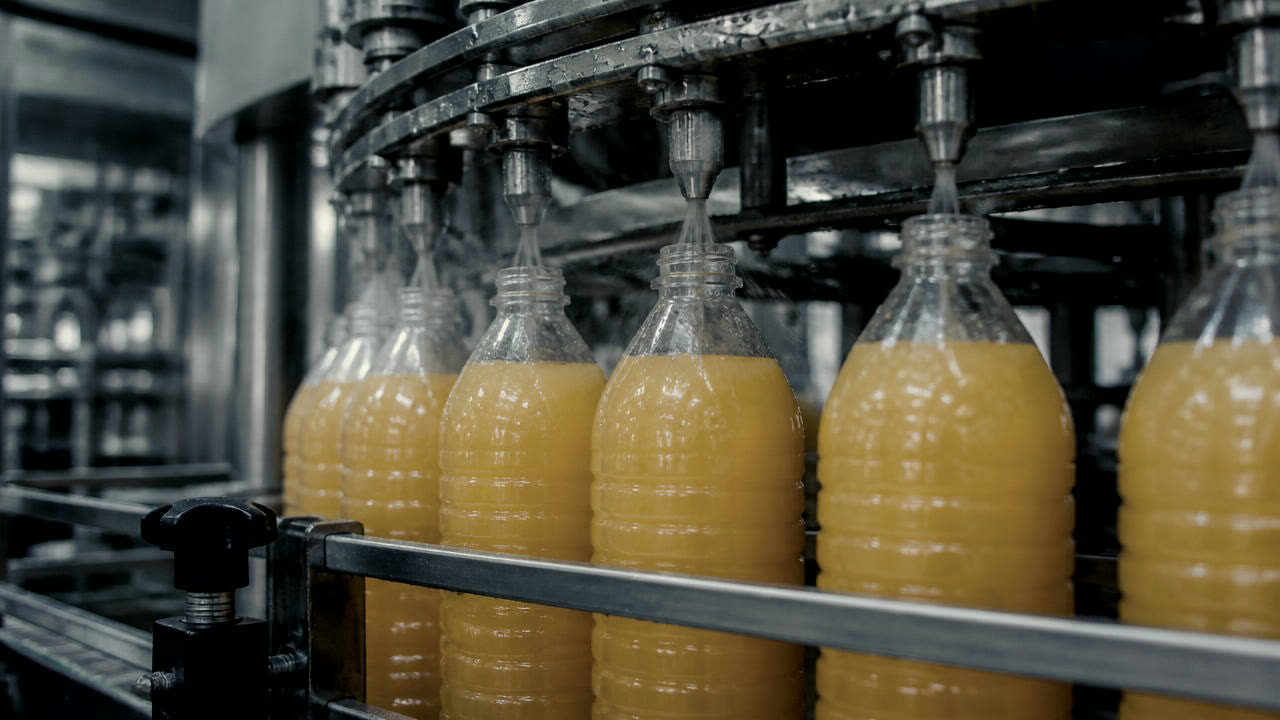
A D2C founder asked us to model the true landed cost of launching a 6-SKU cold-pressed juice line in 250ml PET bottles, targeting Mumbai and Bangalore HoReCa plus a D2C weekly subscription model.
The number that mattered: landed cost per bottle delivered to a dark store. Everything else flows from that — pricing tier, subscription economics, channel mix, retail listing potential.
Six SKUs were chosen across single-fruit (orange, watermelon, mosambi) and blended (ABC, immunity, greens). The blend SKUs carry materially different cost structures so we modelled them separately.
Cost-line breakdown
At target pricing, our consolidated split was: formulation 28%, packaging 22%, fill & label 12%, logistics 8%, retail / channel margin 30%. The biggest swing factor inside formulation is fruit yield — a 7% monsoon drop in pineapple yield moved landed cost ₹4.20 / bottle in our model.
Channel margin is structurally the largest line. Dark stores demand 28 – 32% off MRP for first-listing brands; modern trade demands 38 – 42% with listing fees on top. D2C-only avoids it but adds CAC, which we modelled separately.
- ›Formulation (juice + acid + stabiliser): ₹10.6 – ₹17.4 per 250ml depending on fruit mix
- ›Bottle + cap + sleeve: ₹8.4 – ₹13.7 (sleeved label adds ₹1.8 over wraparound)
- ›Toll co-pack fill: ₹4.5 – ₹6.0 standard; HPP adds ₹3.2
- ›Freight to dark store: ₹2.8 – ₹3.9 per bottle with cold chain
- ›Brand-side OPEX (clinical not required, micro yes): ₹0.9 – ₹1.4 per bottle amortised
- ›Channel margin: ₹15 – ₹22 per bottle at retail tier pricing
Where founders bleed money
Over-engineered packaging tooling at pilot stage is the single most common ₹6L+ mistake we see. Three founders in Q1 committed to custom bottle moulds before validating SKU mix. None recovered the tooling spend inside 12 months.
The second biggest bleed is over-buying inventory. Cold-pressed has a 21-day chilled shelf life; founders routinely buy 8 – 12 weeks of inventory and dump 30%+ to expiry inside year one.
The third bleed is misreading channel margin. Brands quoting their MRP backwards from 'what competitors price at' miss the channel-margin ladder entirely and end up with negative unit economics in modern trade.
Subscription economics
We modelled the D2C subscription at three CAC bands: ₹180 (referral-led), ₹420 (paid mid-funnel), ₹780 (paid top-of-funnel cold).
At a ₹38 landed cost and ₹95 subscription price (Mumbai inner), the contribution per bottle is ₹57. CAC payback ranges from 3.2 to 13.7 bottles depending on band — i.e. 0.8 to 3.4 months at 4-bottle-weekly cadence.
Churn is the killer. Founders model 4% monthly; reality for first-year cold-pressed brands is 9 – 14%. We re-baselined the model at 11% and CAC payback windows extend 50 – 80%.
What we recommend
Model packaging at stock-tooling rates for the first 30,000 units across all SKUs combined. Move to custom only after the SKU mix proves out at the third re-order.
Cap subscription cohort intake to match validated fulfilment capacity — running below capacity is cheaper than running above it and losing reviews.
Negotiate channel margin as a sliding band tied to sell-through, not a fixed cut. Retailers will agree for a new launch and brands forget to ask.
§ KEY TAKEAWAYS
- 01Model packaging at stock-tooling rates for the first 30k units
- 02HPP is only worth it if you can guarantee cold-chain end-to-end
- 03Channel margin is the hardest line to compress — design for it from day one
- 04Real-world churn is 2.5 – 3.5x what first-time D2C founders model
- 05Cap subscription intake to validated fulfilment, not to demand
- 06Tie channel margin to sell-through, not a flat percentage
§ GLOSSARY
Technical jargon, acronyms and scientific terms used in this file — decoded.
- HPP
- High-Pressure Processing — cold pasteurisation that extends shelf life without heat, preserving flavour and nutrition. Adds cost and requires unbroken cold-chain.
- MOQ
- Minimum Order Quantity — the smallest production run a partner will accept. Lower MOQ usually means higher per-unit cost.
- CAC
- Customer Acquisition Cost — total marketing spend divided by new customers acquired in a period.
- Dark store
- A retail-style warehouse that fulfils online orders only — no walk-in customers (e.g. Zepto, Blinkit micro-warehouses).
- HoReCa
- Hotels, Restaurants and Cafés — the institutional foodservice channel.
- SKU
- Stock Keeping Unit — a single uniquely-coded product variant (e.g. orange 250ml is one SKU, watermelon 250ml is another).