Manufacturing guide · Food
Ready-to-eat retort curries contract manufacturing in India
Ready-to-eat retort curries typically launch at an MOQ of 5,000–10,000 pouches of 300 g, costing ₹40–75 ex-factory per pouch depending on protein content, gravy complexity and retort cycle time. Lead time runs 8–12 weeks because retort process validation and shelf-life trials take longer than ambient food formats, and an FSSAI licence is mandatory; a qualified process specialist should validate the retort schedule. Pouch seal integrity testing is the single biggest quality gate before any batch ships.
Key facts
| Typical MOQ | 5,000–10,000 pouches of 300 g per SKU |
|---|---|
| Typical pack sizes | 250 g, 300 g, 450 g retort pouch; bulk catering 1 kg pouch |
| Indicative cost per unit | ₹40–75 per 300 g pouch, ex-factory |
| What the cost covers | Ex-factory: ingredients, gravy preparation, retort pouch and sterilisation cycle included; excludes GST, freight, outer cartons, brand margin |
| Lead time, brief to first batch | 8–12 weeks from recipe finalisation to first validated batch |
| Key licences and certifications | FSSAI licence; product must meet applicable FSSAI category standards; Legal Metrology labelling for pre-packaged goods |
| Typical shelf life | 9–12 months at ambient temperature, unopened |
| Common formats | Retort pouch, retort can (less common for curries in India) |
How it is made
Gravy and protein preparation
Base gravy is cooked and the protein or vegetable component is par-cooked separately so both reach the retort at the right consistency.
Pouch filling
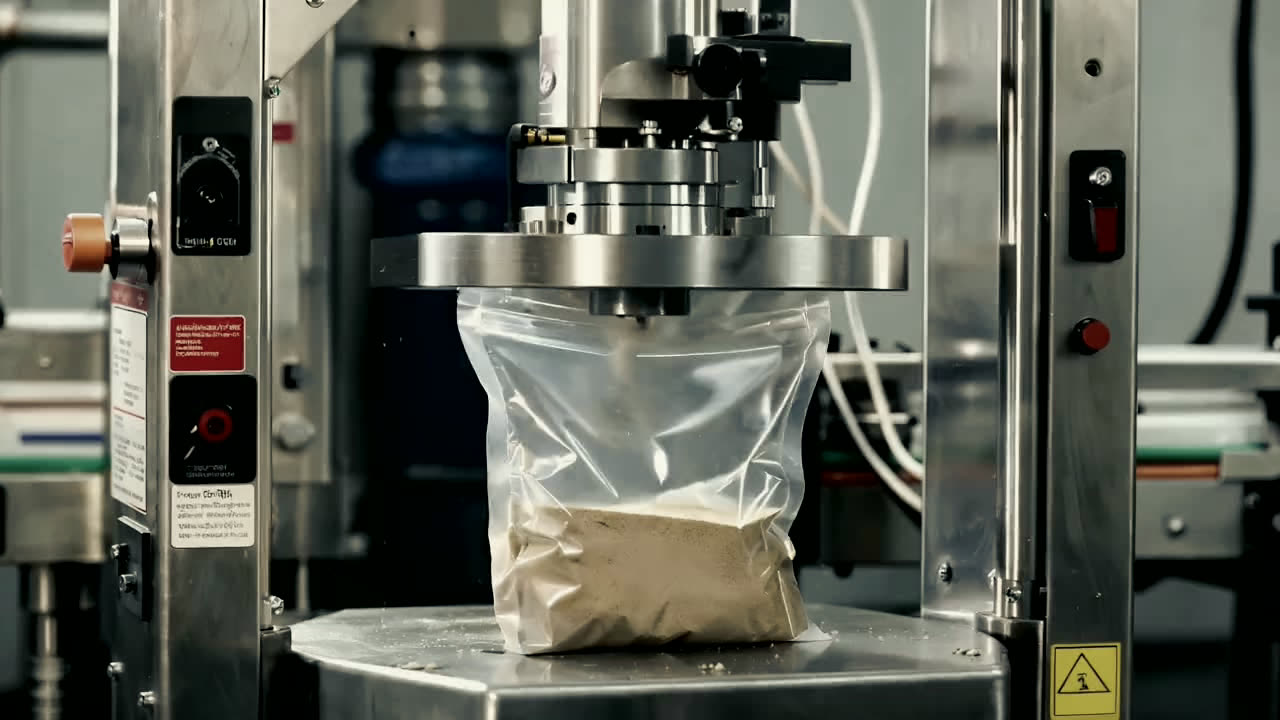
Measured gravy and solids go into laminate retort pouches on a filling line, leaving the correct headspace for sterilisation.
Heat sealing
Pouches are sealed under controlled pressure and temperature; seal width and contamination-free seal area are checked continuously.
Retort sterilisation
Sealed pouches go through a steam or water-immersion retort cycle calculated to reach commercial sterility at the product's slowest-heating point.
Cooling and incubation hold
Pouches are cooled under controlled pressure to avoid pouch distortion, then a sample set is incubated to confirm no microbial growth before release.
Leak and seal testing
Every batch is checked for seal integrity and leaks before cartoning and dispatch.
What drives the cost
raises cost
Protein type
Meat or paneer-based curries cost more than vegetable-only recipes and may need longer retort cycles.
raises cost
Retort cycle time
Denser fillings with larger particulate size need longer sterilisation holds, which raises energy and line-time cost per batch.
raises cost
Pouch structure
Higher-barrier, retort-grade laminate with foil or EVOH layers costs more than standard flexible film.
lowers cost
Batch size
Larger retort loads spread validation and energy cost across more pouches.
raises cost
Shelf-life trials
Extended ambient shelf-life claims require longer stability trials before commercial launch.
depends
Incubation hold time
A standard 10-day incubation hold adds time to first dispatch but is non-negotiable for microbial safety sign-off.
Common mistakes first-time brands make
Underestimating retort validation time
Brands that skip a proper process authority study risk under- or over-processing, affecting both safety and texture.
Choosing non-retort-grade pouches
Using a standard flexible pouch instead of retort-rated laminate causes seal failure during the sterilisation cycle.
Overfilling pouches
Too little headspace restricts heat penetration during retort, leaving the coldest point under-processed.
Launching without incubation hold
Skipping the microbial incubation hold before dispatch is a common shortcut that creates recall risk.
Choosing a manufacturer for ready-to-eat retort curries
Retort capability
Confirm the plant has validated retort schedules for your specific gravy viscosity and particulate size, not just a generic recipe.
Certifications
Look for FSSAI licence plus FSSC 22000 or HACCP certification, given the food-safety criticality of retort processing.
Capacity and retort load size
Ask how many pouches fit per retort load, since this sets your minimum efficient batch size.
Sampling process
Request a validated sample batch with incubation hold completed, not just a lab-cooked sample, before approving the recipe.
Frequently asked questions
- Why does retort curry take longer to launch than other packaged foods?
- The retort sterilisation schedule has to be validated for your specific recipe and pouch size, and a microbial incubation hold is standard before any batch is released, both of which add weeks to the timeline.
- Can retort curries be stored without refrigeration?
- Yes, properly processed retort pouches are shelf-stable at ambient temperature for 9–12 months because the sterilisation cycle achieves commercial sterility.
- Does protein choice change the cost significantly?
- Yes, meat or paneer-based curries cost more per pouch than vegetable-only recipes and may also require a different retort cycle.
- What packaging is used for retort curries?
- A multi-layer laminate retort pouch, often with foil or EVOH barrier layers, is standard since it must withstand high-temperature sterilisation.
- Is FSSAI licence enough or do I need more?
- FSSAI licence is mandatory, and most manufacturers also need a validated retort process schedule signed off by a process authority before commercial production.
How BrandForge helps
BrandForge matches your curry brief, double-blind, to manufacturers with validated retort schedules for similar gravy types and particulate sizes, so the process validation stage moves faster. Once both sides approve the match and names are revealed, a success manager tracks the first retort batch through incubation hold with you.